1975 • THE HIPPIE TRAIL • WEST ASIA • SOUTHERN ASIA • RESILIENCE • AWE • SELF-DEVELOPMENT •
11
Countries Visited
1975
Departure Year
1
Spare Pair of Jeans
10,000+
Miles Traveled


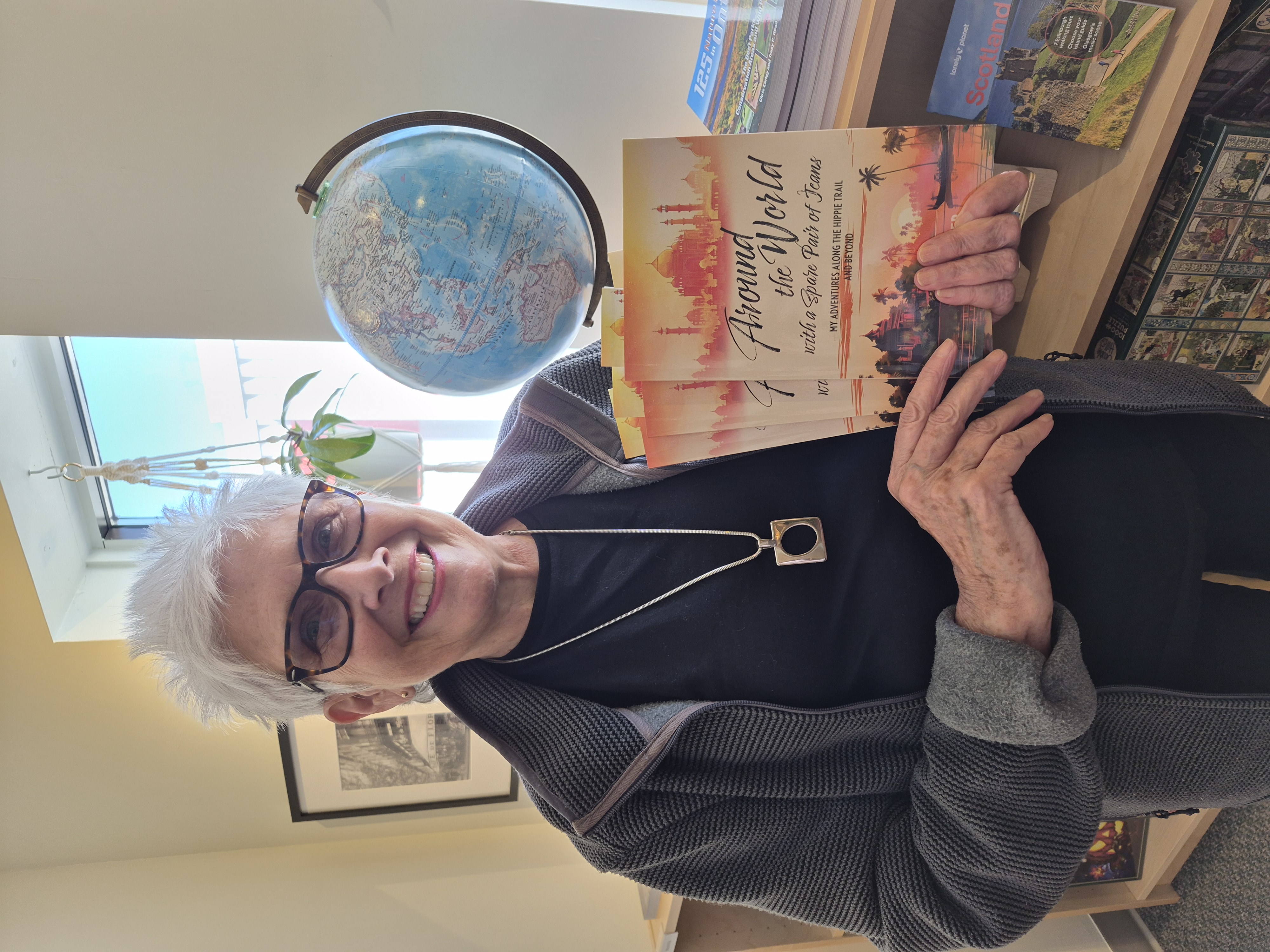
Jean Ramer kept extensive diaries throughout her travels, and was inspired to write this book to share with readers what travel looked like in 1975, before the world changed so drastically.
She is also the author of Old South Tales: Historical Stories of Wortley Village and Old South London, published in 2016. Jean lives in London, Ontario.
Stay up to date with Jean and her adventures on Social Media!


1975
2025
News & Events
Featured Press Mention
London Free Press - July 2026
Lifestyle Magazine - July/August 2026
Wortley Villager - March 2026
Upcoming Events
Stay Tuned...
Past Events
September 19th @ 7:00pm
Windsor Avenue Book Club

August 29th @ Noon – 4:00pm
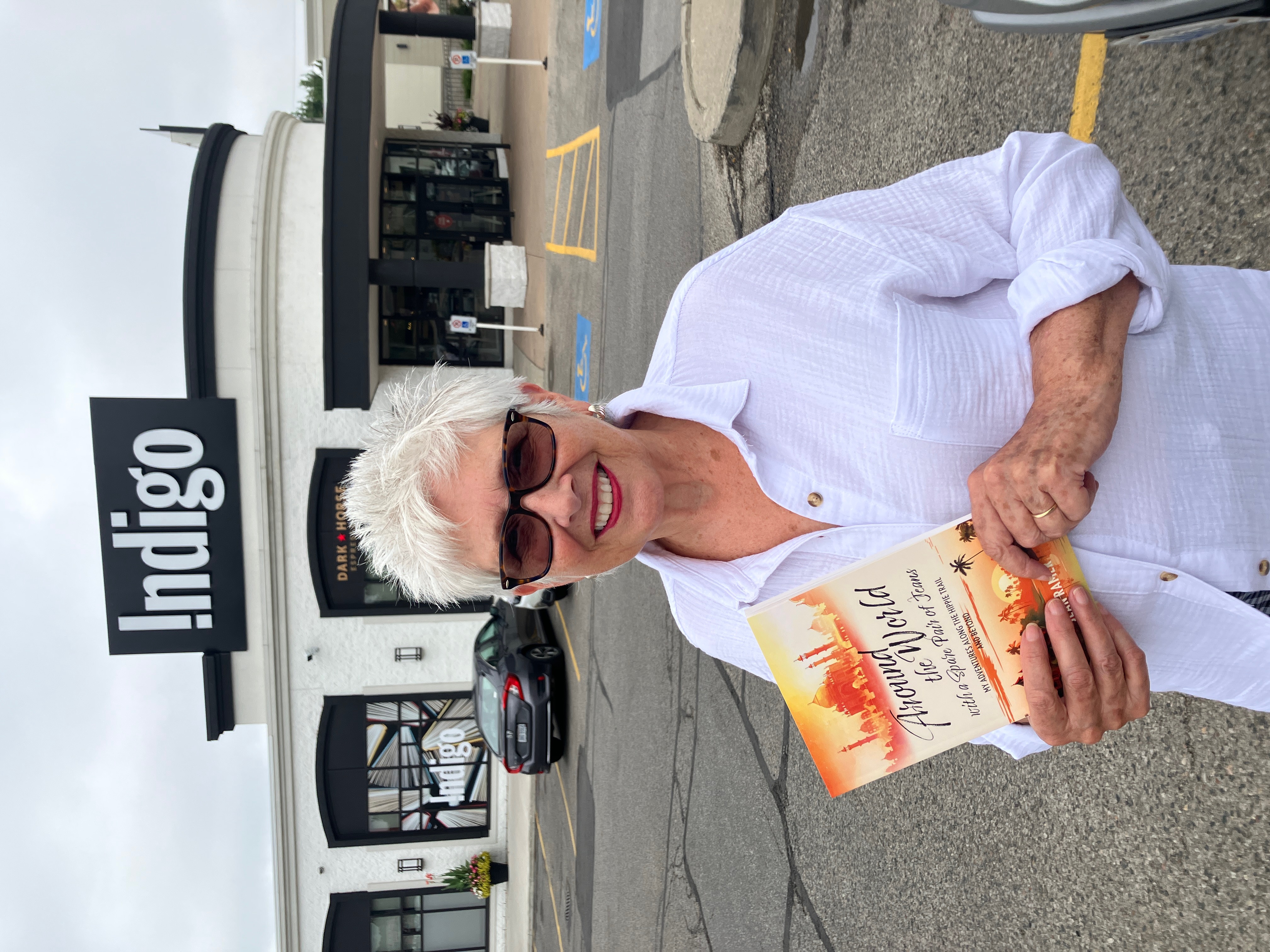
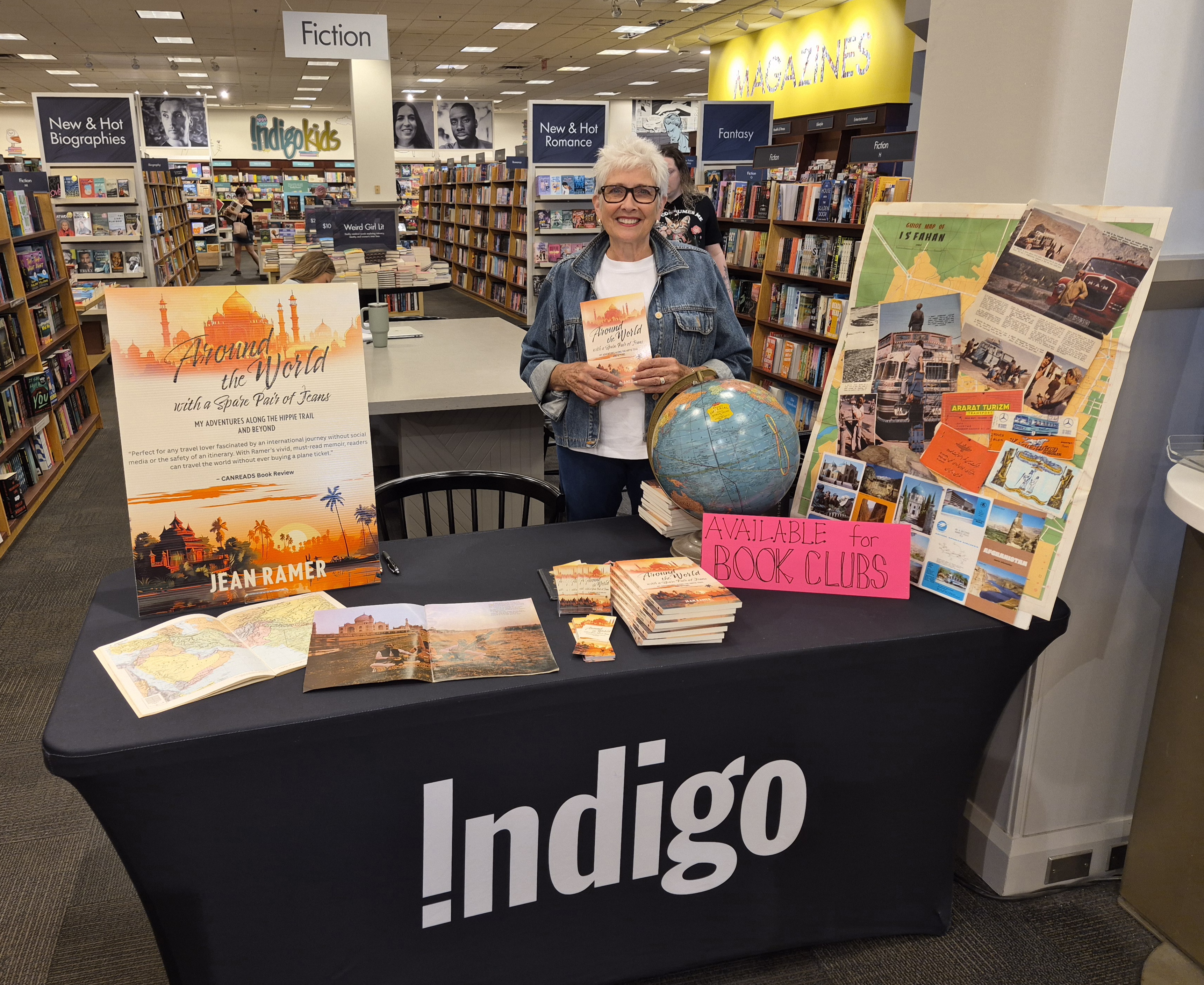
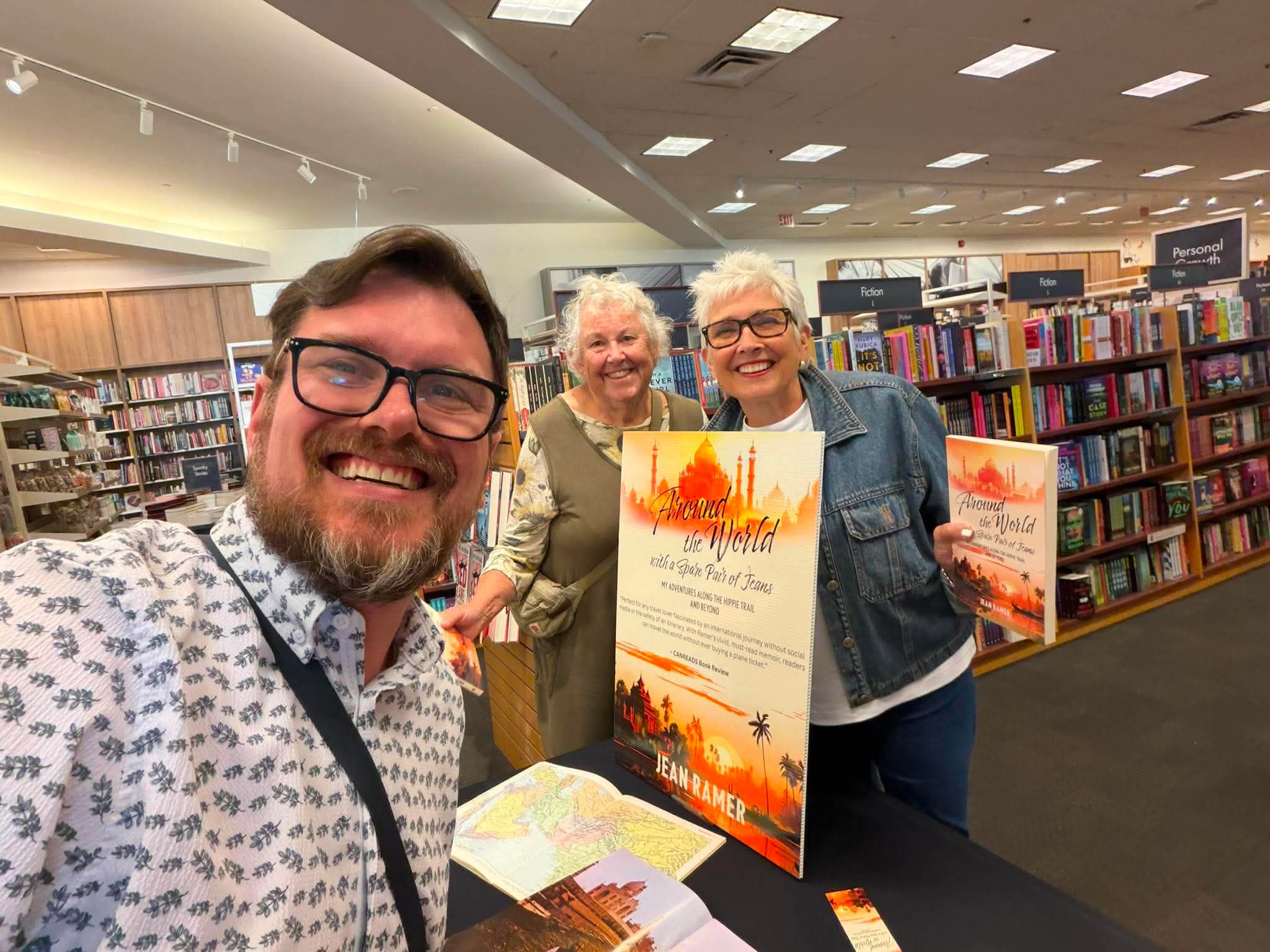
Author Book Signing at Indigo South, 1037 Wellington Road South, London, ON


August 6th @ 7:00pm
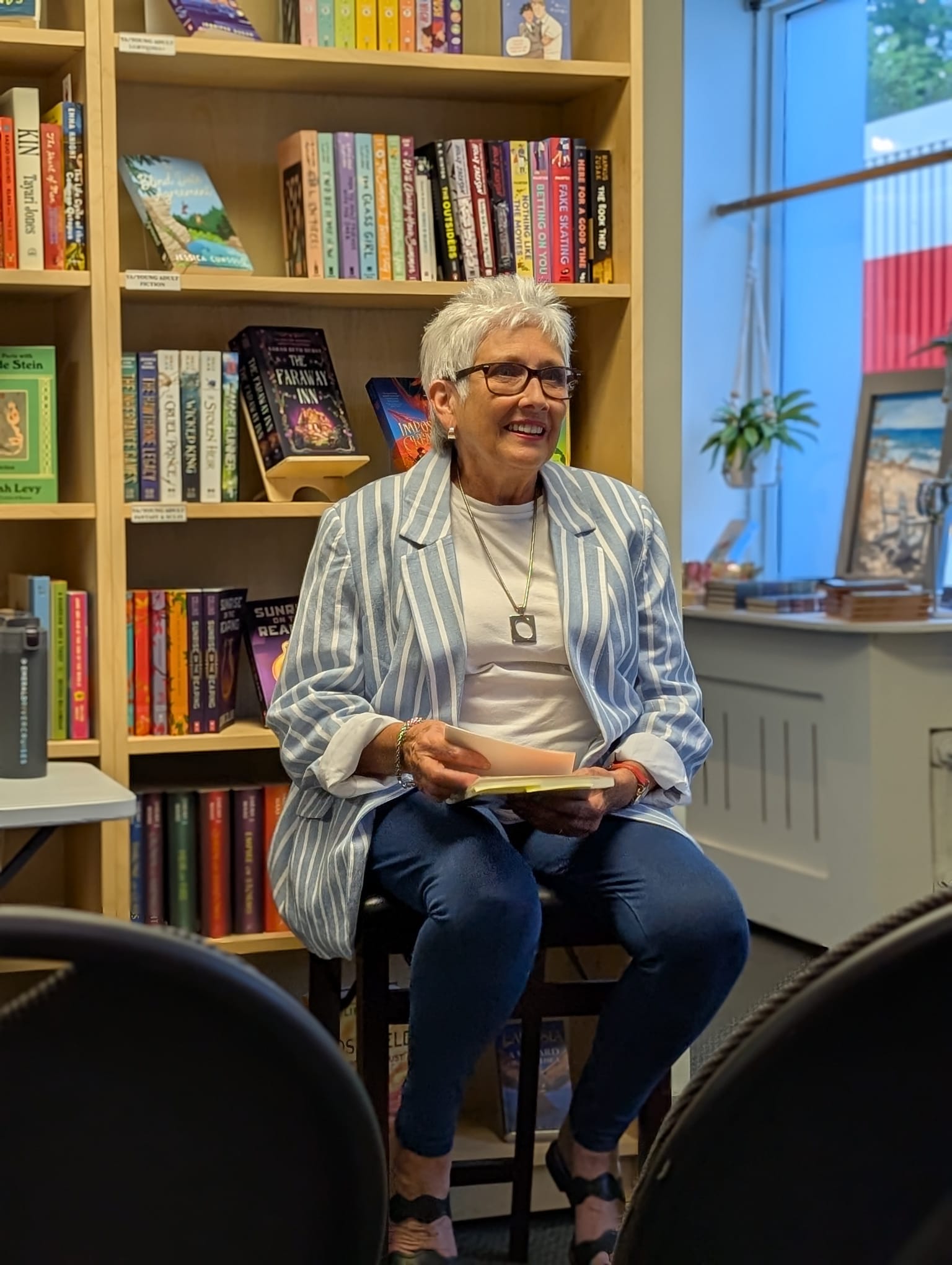
Author Talk at Lake House Books, 302 Bridge Street, Port Stanley, ON



Author Q&A
Behind the scenes of my 1975 journey through the world.
Did you feel you had changed much?
In some ways, not that much. When I reread the journal, I could step straight back into the journey — seeing everything again through the same eyes. It felt strangely immediate. But after fifty years, I’d hope I’ve matured a little! What surprised me most was how naïve I had been, and how so many situations could have ended badly. I was extremely lucky.
Who was the most memorable person?
Several people left a lasting impression: Ali and Ornder, the kind Turkish cousins in Venice who we last saw in Istanbul; Mahsood and Mahboob, Afghan brothers who welcomed us into their shop; the Lahore doctor who treated my injured leg every morning for two weeks; Raju Bahtia, whom I met in Delhi and again in Bombay with her family; and Heinz Prasse, a German overlander who lent me money in Bangkok while I waited for funds to come through from England. Their kindness shaped the journey as much as the landscapes did.
How did you manage money?
With Travellers Cheques — the standard of the time. Credit cards weren’t widely accepted, especially outside major cities. The British government also limited travellers to £200 per year, which didn’t go far.
What was the scariest place?
Iran held several frightening moments — attempted break-ins, hostility on the streets, and a general sense of unease. Oddly, being lost and alone in Bangkok one night should have been terrifying, but I was too dazed from my leg injury to fully grasp the danger. Additionally, I was unaware of the serial killer Charles Sobhraj on the loose at this time.
What was the biggest challenge?
Being two young women travelling alone, it was hard to know who to trust. We stood out everywhere, despite being fully covered and hiding under headscarves. After Istanbul, we rarely saw local women on the streets, which made us even more conspicuous.
What is your favourite memory?
The thrill of waking up each morning with no idea where I’d end the day. The freedom, the unpredictability, the sense that anything could happen — it was intoxicating.
Which was your favourite country?
Afghanistan. Despite our fears, we found extraordinary warmth and generosity. People who had very little shared so freely — especially endless cups of tea! I still think about the young boy who slept in the bazaars and was cared for by the entire community. Only four years later, the Soviet invasion began. I often wonder what became of him.
What did you learn about food?
We stuck to foods with minimal handling: boiled eggs, omelettes, porridge, bread. Water was unsafe everywhere, so we sterilised it with stero-tabs — an over-night process that produced terrible-tasting water. Coca-Cola became our fallback drink, and, strangely, it tasted different in every country.
How did you manage language?
We spoke some French, but beyond that we relied on the small amount of English many people knew — and on miming, which worked surprisingly well. Bangkok was the biggest surprise: German was the most common second language, not English.
What was the greatest shock?
The aggression of the Bulgarian police toward Turkish passengers on the train. Their behaviour was pure intimidation, and it was shocking to witness authority used that way.